Things To See & Do
Discover Derby! Explore vibrant attractions, thrilling activities, live entertainment, arts & culture, and unique shopping. Plan your visit today and make unforgettable memories in a city full of excitement.

Featured Things to See and Do

Conveniently located in the heart of Derby, Derbion is the city’s premier destination for shopping, dining, and entertainment.
Platinum Partner

Moorways Sports Village & Water Park
Moorways Sports Village and Water Park combines a water park and leisure centre with the Moorways Stadium, creating a fantastic sports and…
Platinum Partner

If you’re looking for a fun-filled family day out near Derby, Bluebell Dairy offers hands-on animal experiences, exciting seasonal events…
Platinum Partner

Museum of Making at Derby Silk Mill (UNESCO World Heritage Site)
Explore Derby’s 300-year history of making and enjoy events and activities for families to enjoy together.
Platinum Partner
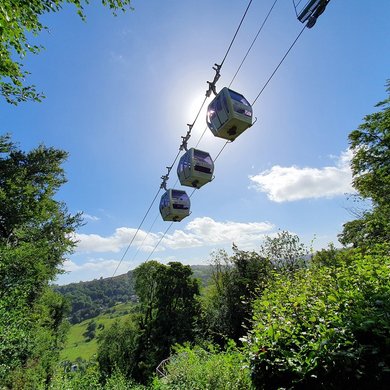
The Heights of Abraham is just a 30 minutes drive or direct train ride from Derby, where you can take the spectacular cable car ride to the…
Platinum Partner

Guided walking tours exploring Derby’s dark, weird, and fascinating history.
Platinum Partner

Derwent Valley Mills World Heritage Site
Discover the birthplace of the modern factory system in the Derwent Valley Mills World Heritage Site, the only UNESCO inscribed World…
Platinum Partner

Located in the heart of Derby at Derbion, Flo Skatepark is an exciting indoor skate destination designed for all abilities.
Platinum Partner

Bookable Experiences
Visit Derby is the ultimate destination for booking unforgettable experiences in the heart of England. From sporting activities to exciting new things to try, it's all here - come explore!
Tours & Trails
Made in Derby
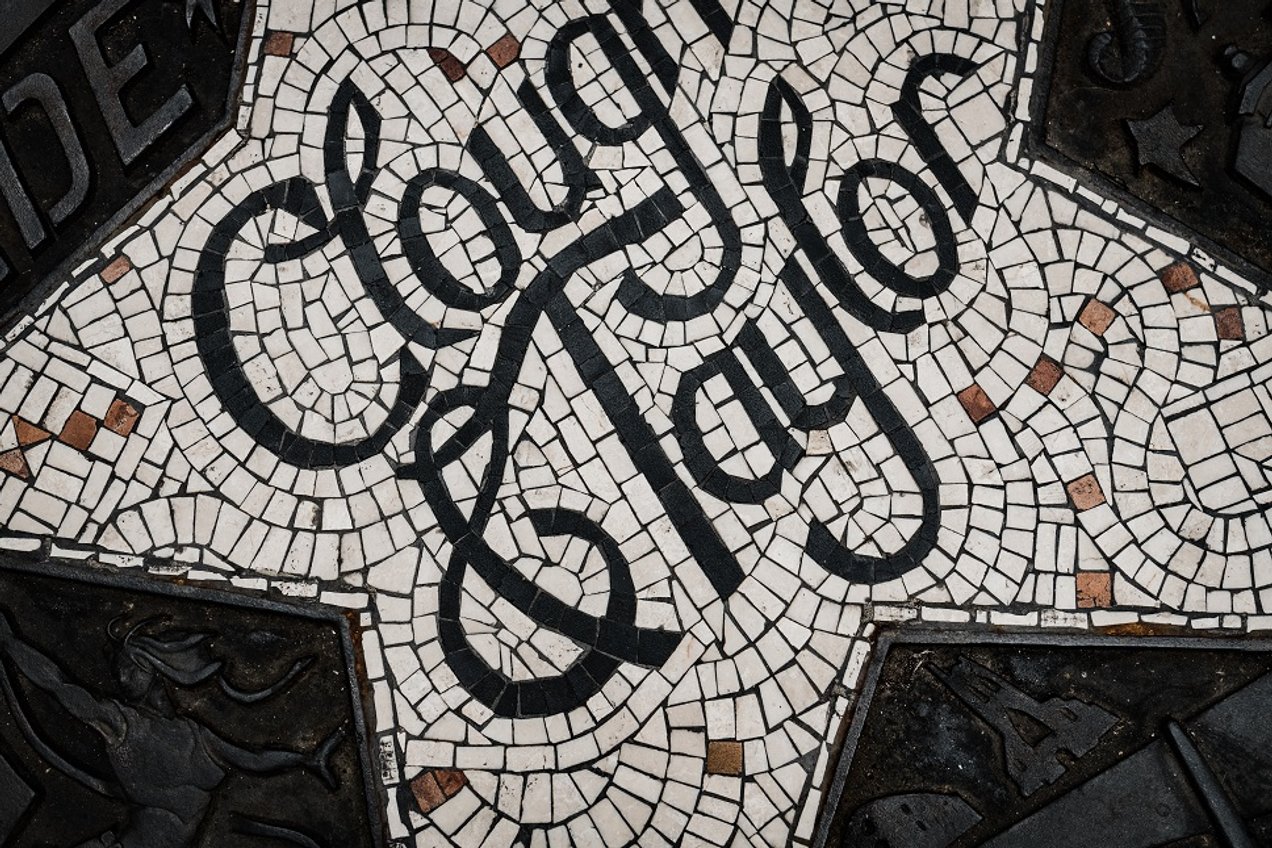
Made in Derby is a trail of mosaic and cast iron plaques celebrating the the lives of people who have had a huge impact on the city and who have helped Derby to make it's mark on the world.
Discover our Rich Heritage
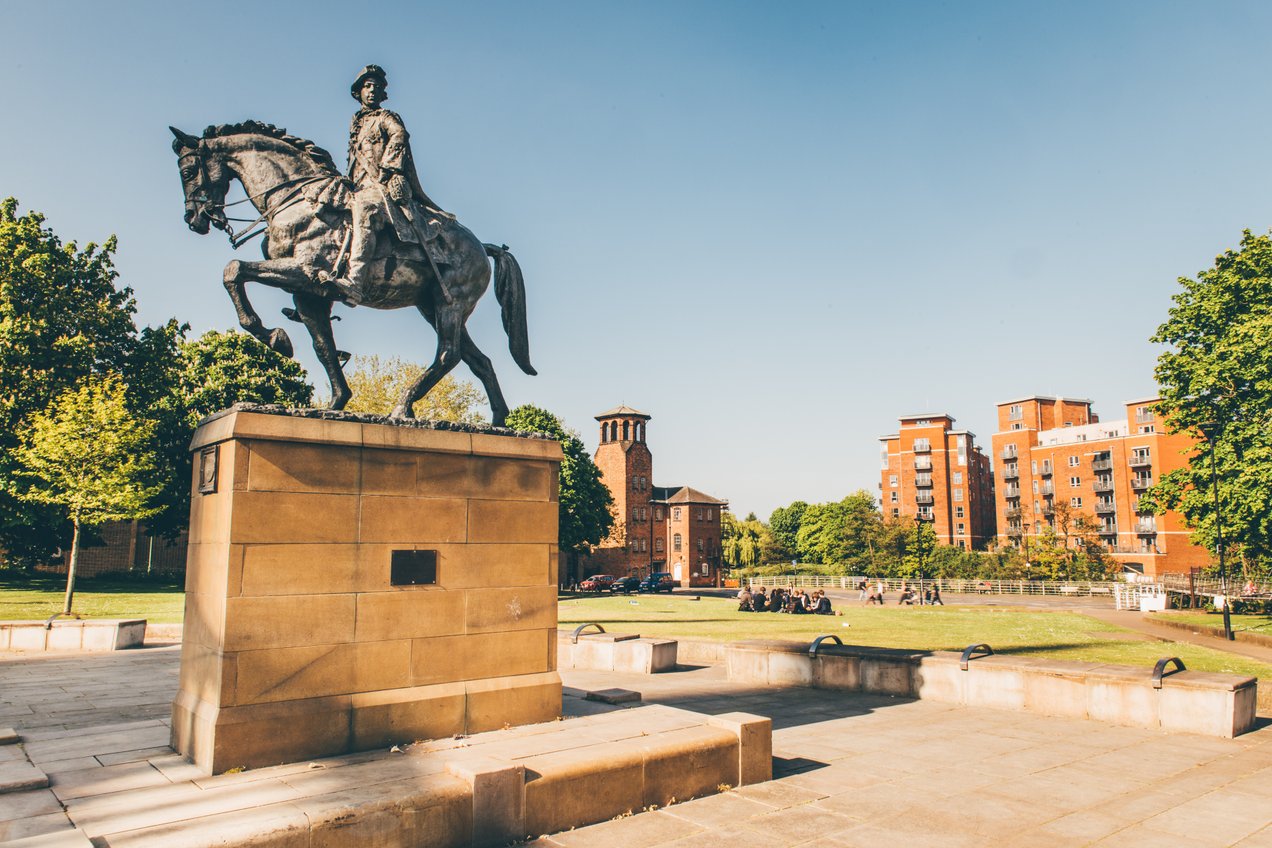
Whether you’re a history buff or simply curious about the city’s past, Visit Derby can provide you with all the information you need about Derby’s rich heritage. Uncover the stories that have shaped this great city.
History & Heritage
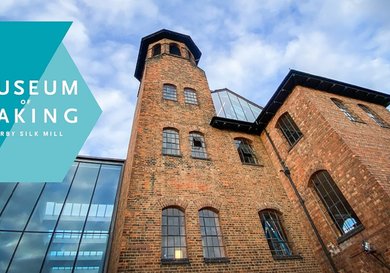
Museum of Making at Derby Silk Mill (UNESCO World Heritage Site)

Pickford's House

Great Northern Classics
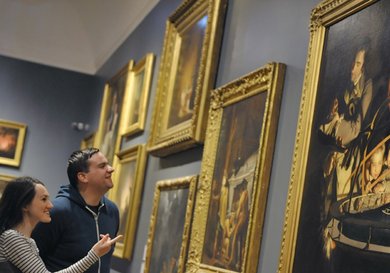
Derby Museum & Art Gallery
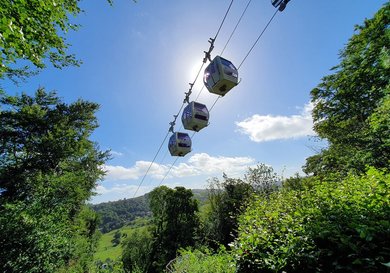
Heights of Abraham

National Tramway Museum

Derwent Valley Mills World Heritage Site
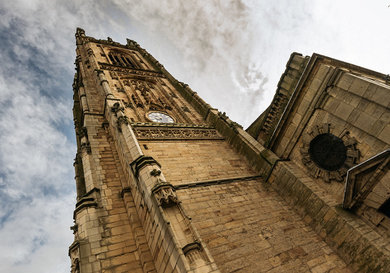
Derby Cathedral
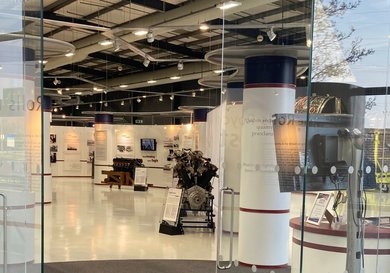
Rolls-Royce Heritage Tours

Derby Heritage Centre

Letterpress Workshops
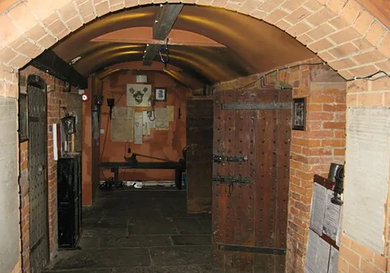
Derby Gaol

Victorian Photography Studio Tours
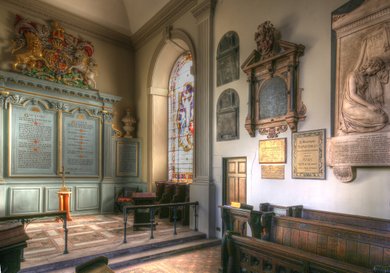
St Werburgh's Chapel

Midland Railway Study Centre

Derby Riverboat Trips

Kedleston Hall

Derby Computer Museum
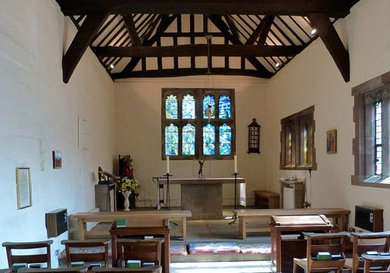
The Bridge Chapel

Georgian Guided Walking Tour

Bolsover Castle, English Heritage

Visit Peak District & Derbyshire

Calke Abbey

Renishaw Hall & Gardens
Museums & Galleries
Museum of Making at Derby Silk Mill (UNESCO World Heritage Site)
Pickford's House
Derby Museum & Art Gallery

White Peak Distillery
Derwent Valley Mills World Heritage Site

Derby Uncovered Walks
Midland Railway Study Centre
Kedleston Hall
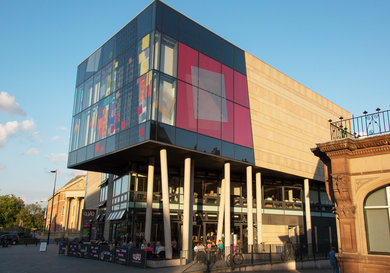
Derby QUAD & Cinema
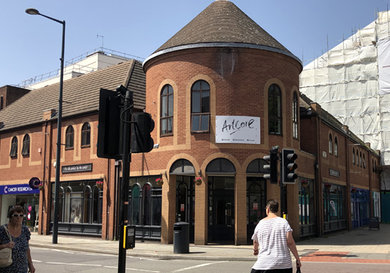
Artcore
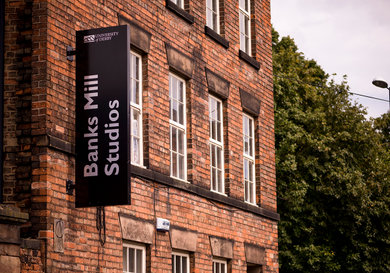
Banks Mill Studios
Victorian Photography Studio Tours
Derby Computer Museum
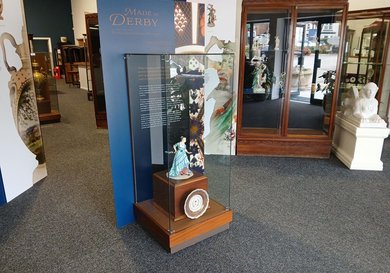
Royal Crown Derby at Bamfords Auctioneers
Rolls-Royce Heritage Tours
Georgian Guided Walking Tour

Craftcore - The City’s First Public Ceramic Studio
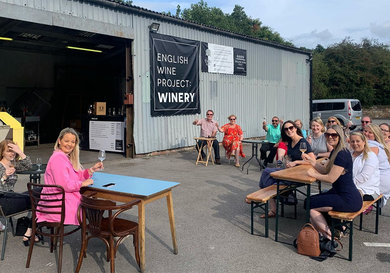
English Wine Project Winery Tours & Taste
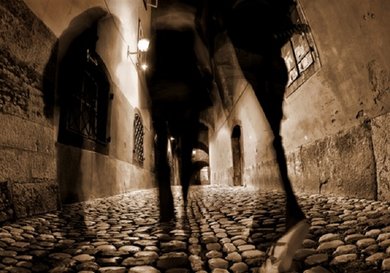
Derby After Dark - Ghost Walks & Vigils
Rolls-Royce Heritage Trust
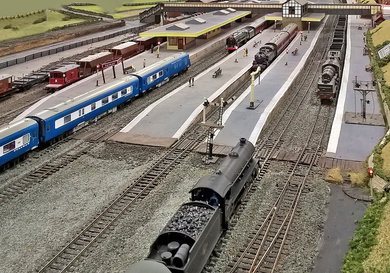
Famous Trains Model Railway

English Wine Project Vineyard Tour

Denby Pottery Village

East Midlands Aeropark
Shopping


Food & Drink Activities

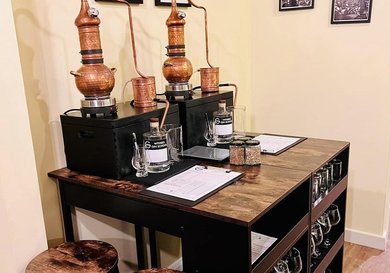

Articles & Guides


Family Time
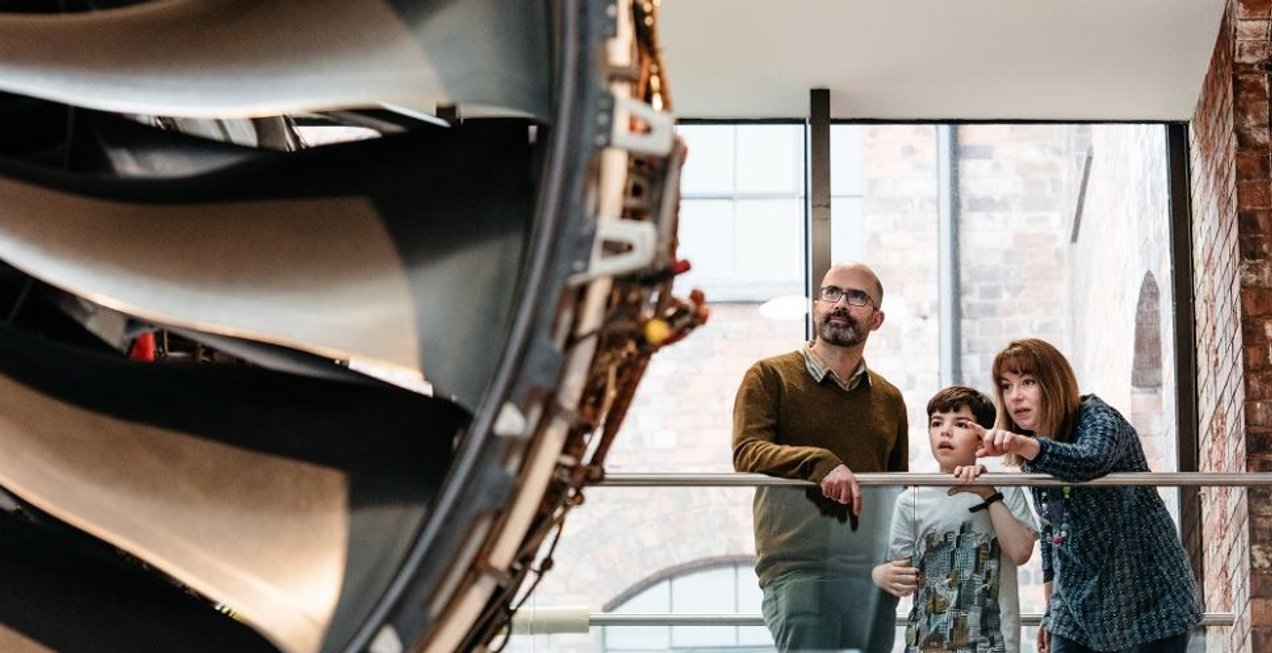
You know how hard it can be to keep the whole family entertained. Well Derby has something for everyone! From free museums, top indoor shopping, cinemas, parks and lots of festivals.
Family Friendly
Museum of Making at Derby Silk Mill (UNESCO World Heritage Site)

Moorways Sports Village & Water Park

Bluebells
Derby Museum & Art Gallery

Derbyshire County Cricket Club
Pickford's House

Derby Arena
Great Northern Classics
Heights of Abraham
National Tramway Museum

Compamigos: Eat Drink share
Rolls-Royce Heritage Tours
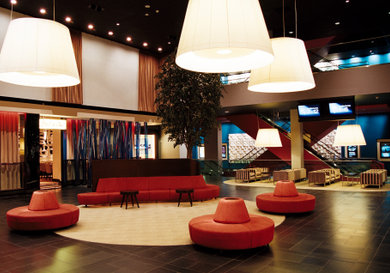
Showcase Cinema De Lux
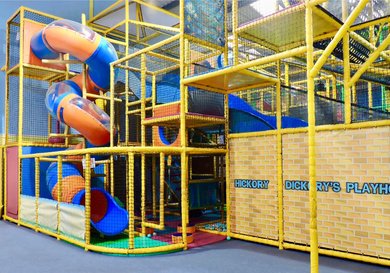
Hickory Dickory's Playhouse
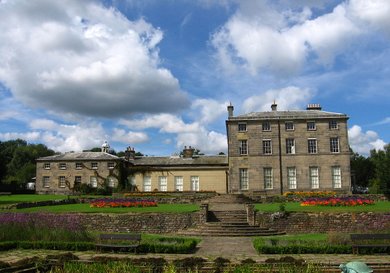
Allestree Park Derby
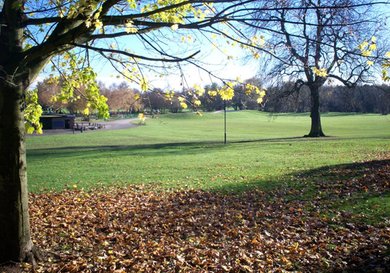
Chaddesden Park

Laser Quest Derby
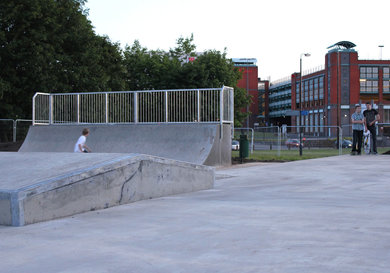
Bass' Recreation Ground
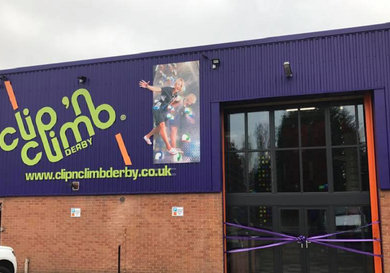
Clip 'n Climb Derby
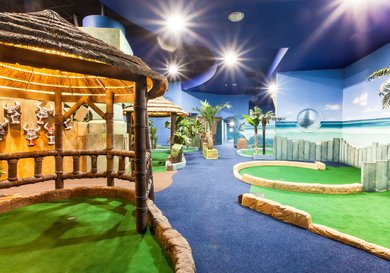
Paradise Island Adventure Golf
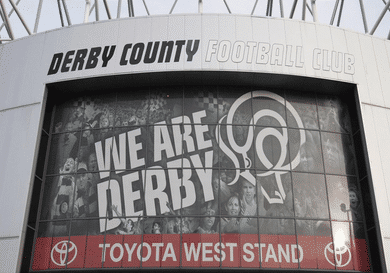
Pride Park Stadium
Derby Cathedral
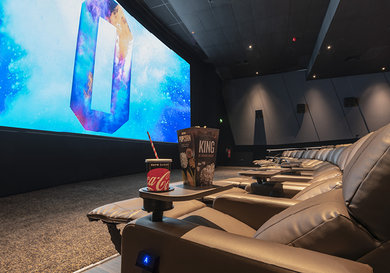
ODEON Luxe Derby
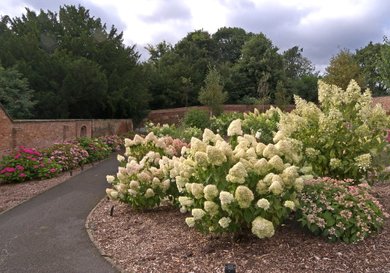
Darley Park
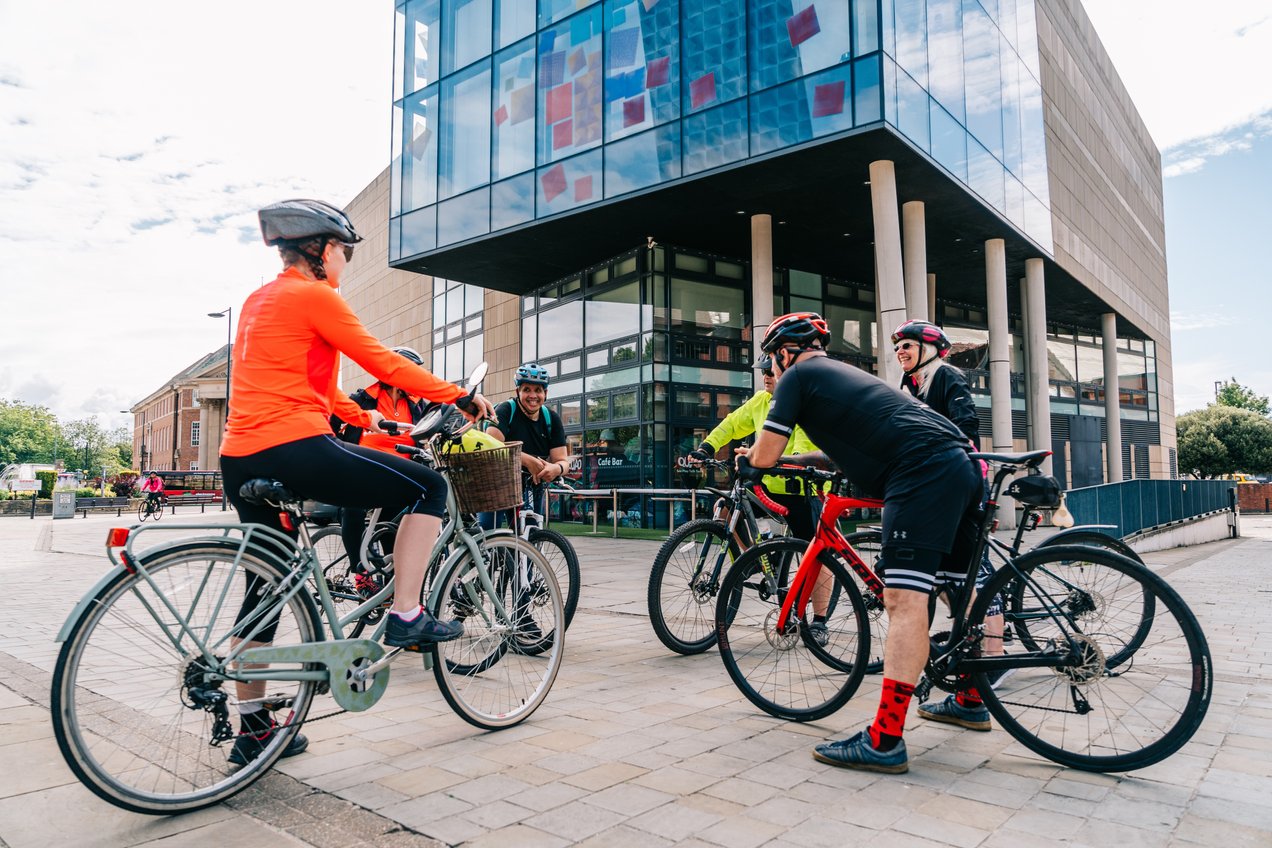
Explore the Outdoors
Visit Derby offers access to green and open spaces that are perfect for leisure activities such as walking and cycling or even Peregrine Falcon spotting. With so much to explore, you'll never run out of things to do!
Adventure & Outdoors
Bluebells

Golf at Delta Hotels by Marriott Breadsall Priory Country Club
Derby Riverboat Trips
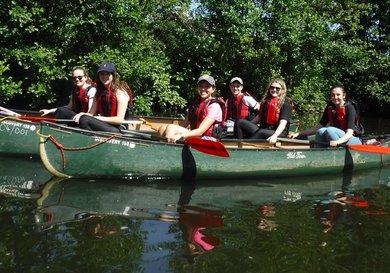
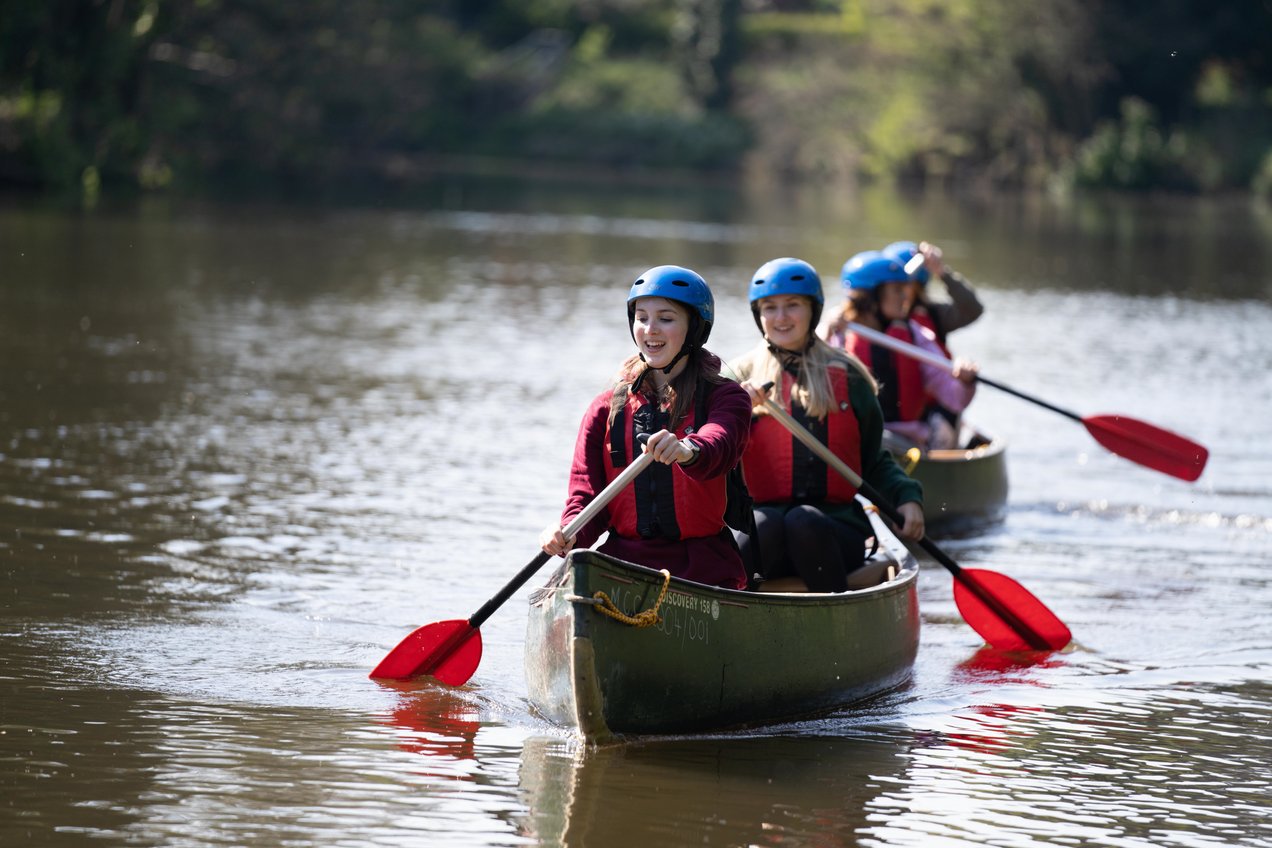
Canoe Experience on the River Derwent
Kedleston Hall
Hickory Dickory's Playhouse

Golf at Breadsall Priory

Elvaston Castle Country Park

Derby Market Place

'Make Your Escape' Immersive Escape Room Experiences

Kayaking Experience on the River Derwent

Take Aim Derby

Drive Dads Car

Foremark Reservoir
Visit Peak District & Derbyshire
Parks & Gardens
Bluebells
Heights of Abraham
Derwent Valley Mills World Heritage Site
Bass' Recreation Ground
Kedleston Hall
Darley Park
Chaddesden Park
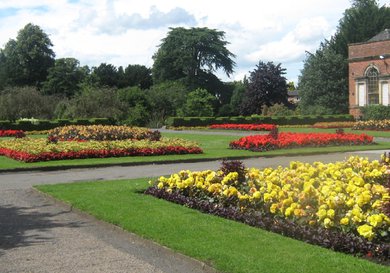
Markeaton Park
Allestree Park Derby
Elvaston Castle Country Park
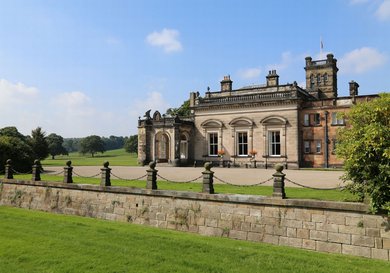
Locko Park

Chester Green

Alvaston Park
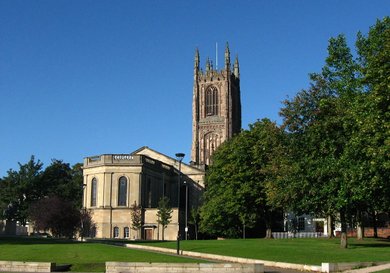
Cathedral Green
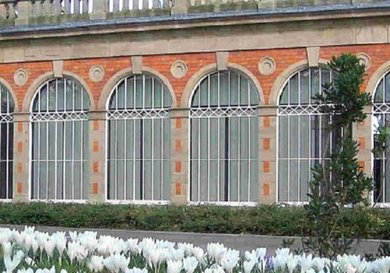
Derby Arboretum

Electric Daisy
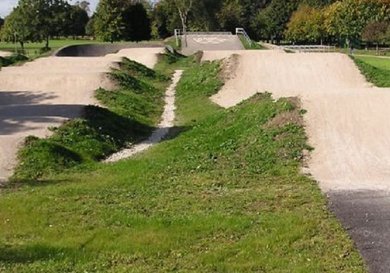
BMX at Alvaston Park
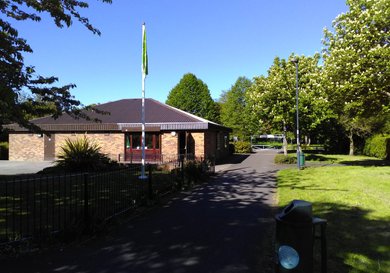
Sinfin Moor Park and Nature Reserve
Alton Towers Resort

Mercia Marina
The National Forest
Gulliver's Kingdom
Renishaw Hall & Gardens
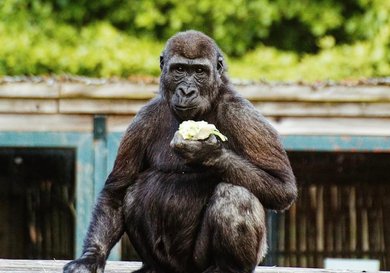
Twycross Zoo
Sport & Leisure
Moorways Sports Village & Water Park
Derbyshire County Cricket Club
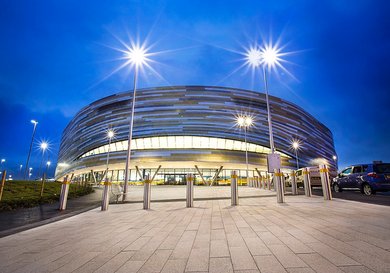
Introduction to Track Cycling at Derby Arena
Derby Arena
Golf at Delta Hotels by Marriott Breadsall Priory Country Club

FLO Skatepark
Paradise Island Adventure Golf
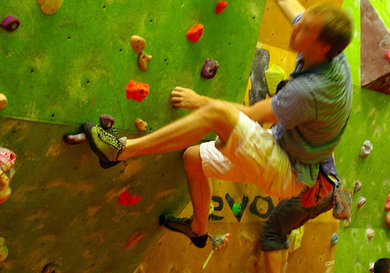
Alter Rock Climbing Centre

Eagle Bay Golf Sims
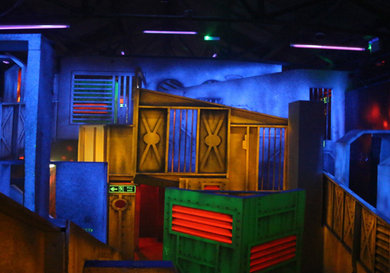
Megazone Derby

Make Your Escape
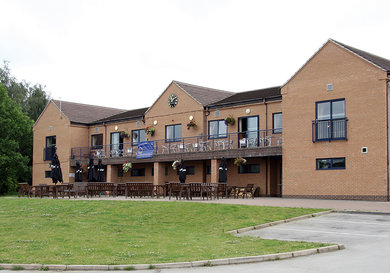
Derby Rugby Football Club

Infinity Parks Derby
Laser Quest Derby
Golf at Breadsall Priory

Escape Derby Gaol
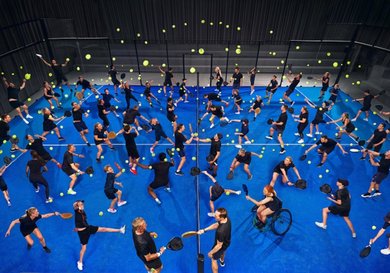
Just Padel Derby

Spa Treatments at Breadsall Priory

The Escape Room Guys
Pride Park Stadium
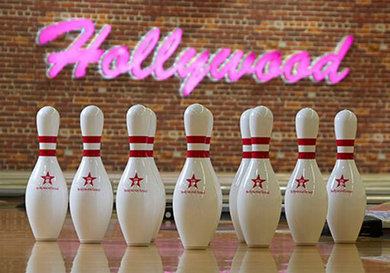
Hollywood Bowl Derby
Take Aim Derby

Oxygen Freejumping Derby

Hatchet Harry's Axe Throwing

Into the Evening
Discover the thrills of Derby and all its attractions with Visit Derby! We offer you the best of everything - from bustling street food markets to thrilling nightlife, and accommodation for a comfortable stay.
Entertainment
Derbyshire County Cricket Club
Derby Arena
Compamigos: Eat Drink share

NINE Derby
Take Aim Derby

The Hairy Dog
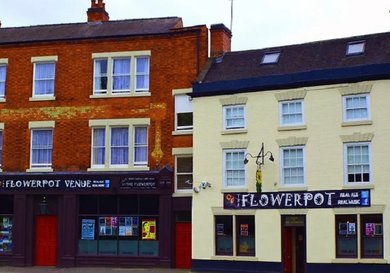
The Flowerpot
Showcase Cinema De Lux
Derby Theatre
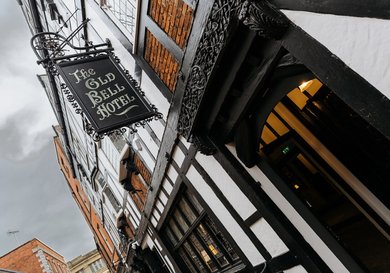
The Old Bell Hotel
Derby QUAD & Cinema

Vaillant Live
Glory Holes Derby

Dubrek Studios

Alpha Pro Creative
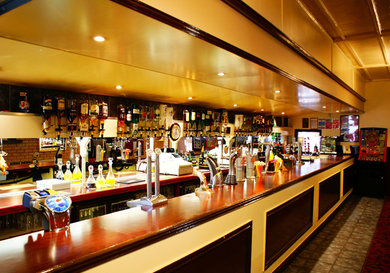
The Venue
ODEON Luxe Derby
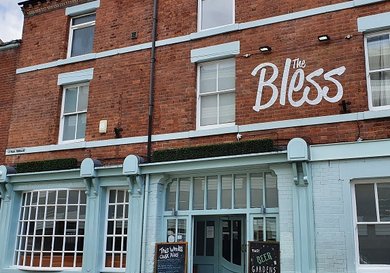
The Blessington Carriage
Electric Daisy

Genting Club Riverlights

Ultra Warehouse
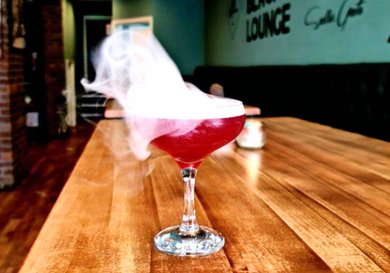
Blacksmiths Lounge

BlueNote
Arts & Culture

Purple Flag
Derby are delighted to retain Purple Flag 2024 status for another year. The accreditation for its evening and night-time economy (ENTE) is similar to the Blue Flag for beaches and aims to raise the standard and broaden the appeal of town and city centres between the hours of 5pm to 5am.
Featured Accommodation

The Hotel at the Derby Conference Centre
The friendly and attentive staff at our 50 bedroom Hotel aim to make your stay in our hotel facilities as pleasurable as possible, they are…
Platinum Partner
Useful Information


Sign up to our monthly newsletter
Be informed about the latest offers, events, stories and tips for Derby and its region.
All information will be treated in accordance with our privacy notice.